
Nurturing Future Success: Why a Great Pre-K Curriculum Matters for Everyone
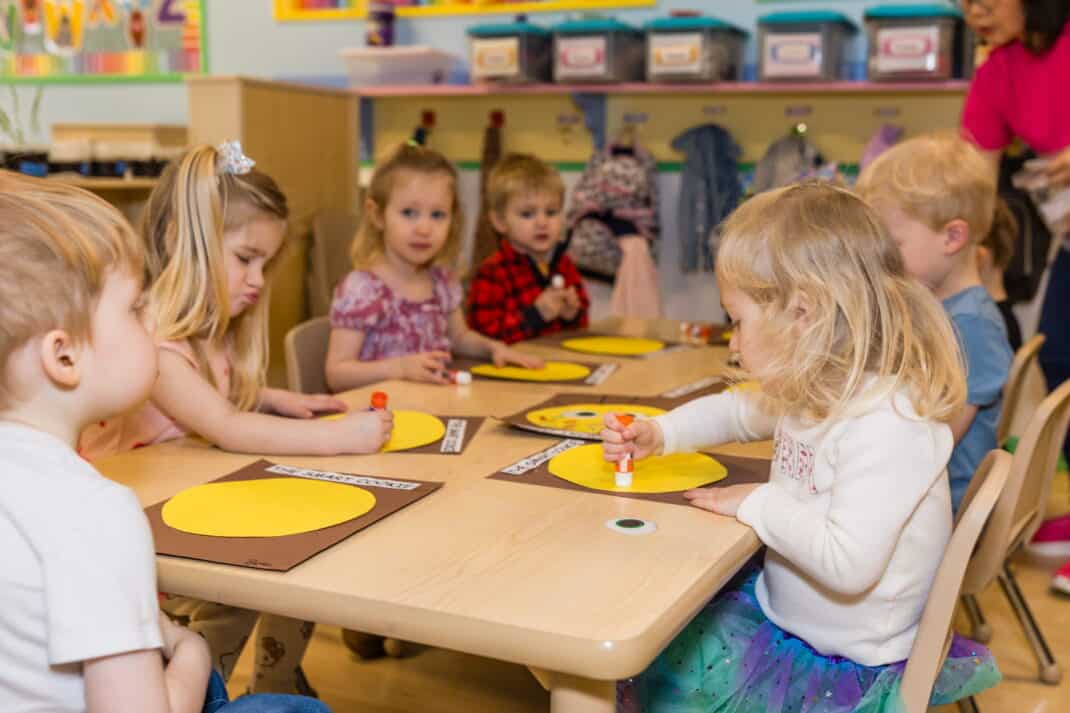
Summary: A high-quality Pre-K curriculum is the foundation of strong early childhood education, helping children build confidence, social skills, and academic readiness for lifelong success. For childcare providers, implementing Pre-K programs not only improves learning outcomes but also drives childcare business growth through stronger trust, higher enrollment, and long-term community impact.
Whether you’re an educator welcoming a child into the classroom for the first time, or a childcare owner who has poured your heart into building a safe haven for the neighborhood, we share a common purpose: we want our children to learn, grow, and feel confident in the world around them.
At the center of that experience is a thoughtful, engaging pre-K curriculum. It is more than lesson plans; it is the foundation that shapes each child’s early learning experience. A strong curriculum turns everyday moments into opportunities for discovery, curiosity, and a lifelong love for learning.
At Premier, we believe that high-quality early childhood education is the foundation for a lifetime of learning, curiosity, and confidence. When children experience thoughtful, developmentally appropriate learning environments, they build the social, emotional, and cognitive skills that prepare them not just for kindergarten, but for life.
The Heart of the Matter: Benefits of Pre-K for Children
We know that parents want their children to feel confident and prepared when they eventually walk through the doors of a kindergarten classroom. The benefits of pre-K go far beyond learning ABCs and 123s—they set the stage for a lifetime of success. In a high-quality classroom, children learn how to cooperate with peers, express their ideas, solve problems, and build relationships with both teachers and classmates.
Research tells us that investing in early learning supports early academic foundations which develop early literacy, math, and critical thinking skills that will support their success when they transition to kindergarten. When children participate in high-quality, classroom-based preschool, they are better prepared for the K-12 system. In fact, studies show that these children are significantly less likely to struggle with grade repetition or require special education placement later in elementary school.
Dr. Lisa Keiper, early education scholar and Premier’s Vice President of Education states, ”by implementing Pre-K programs that are developmentally appropriate, we aren’t just teaching children; we are helping children build confidence and independence. As they practice routines, make choices, and take on new challenges, children begin to see themselves as capable learners they need to navigate the world.”
A Thriving Center: Curriculum and Childcare Business Growth
For the dedicated owners who have spent years caring for children and supporting local families, you know that trust is the foundation for everything.A strong reputation grows from the experience families have each day inside your classrooms and it’s one of the most important drivers of childcare business growth.
Thoughtful, developmentally appropriate curriculum plays an important role in building that trust, and the community takes notice. Parents see the difference when their children are learning in environments that are safe, engaging, and nurturing. This leads to consistent enrollment and long waiting lists, which are signs of a healthy, flourishing business.
Families seek out places where they know their children will be cared for and inspired each day. Over time, this trust leads to strong enrollment, positive word of mouth, and sustainable childcare business growth.When parents see their children growing and succeeding, they naturally share the experience with friends and neighbors..
Partnering for a Bright Future
For owners who are thinking about the next chapter of their lives, finding the right partner to carry on your legacy is a big decision. You want to ensure that the warm, nurturing environment you built continues to flourish.
This is what shapes Premier Early Childhood Education’s mission and values. We are passionate about preserving the unique culture of each school we partner with. Dr. Keiper emphasizes, “At Premier, we recognize that each of our schools has its own unique identity and community. While we provide strong curriculum frameworks and educational guidance across our network, we are intentional about preserving the philosophy and culture that makes each school special.”
Our role at Premier is to support schools with high-quality resources, professional development, and tools that help teachers deliver engaging learning experiences, while still honoring the program approach that families value. Whether a school follows a play-based model, Montessori approach, or another educational philosophy, we work closely with leaders and teachers to ensure children receive developmentally appropriate, meaningful learning experiences that align with both best practices and the school’s individual culture.
When we partner with a center, we focus on:
- Supporting Staff: We believe in taking care of the teachers who take care of the children. We offer improved benefits and professional development to help them grow in their careers.
- Honoring Your Legacy: We keep your business name, teaching philosophy and community connections alive, ensuring that the transition is smooth for the families who rely on you.
- Educational Excellence: We are committed to early childhood education that supports the whole child, ensuring they are ready for whatever comes next.
Let’s Grow Together
For those who have dedicated their careers to caring for children and supporting families, quality early education is the foundation that connects us all.
If you own a childcare or daycare center and are curious about how Premier supports your curriculum and will value the heart of your business, we would love to chat. Get a simple, confidential snapshot that helps you understand your options and what the future could look like for your staff, your families, and your community.
FAQs
What is a Pre-K curriculum?
A Pre-K curriculum is a structured early childhood education framework designed to support children’s social, emotional, and academic development before kindergarten through play-based and guided learning experiences.
What are the benefits of Pre-K for children?
The benefits of Pre-K include improved early literacy and math skills, stronger social-emotional development, better problem-solving abilities, and increased confidence when transitioning to kindergarten.
Why is early childhood education important?
Early childhood education builds critical brain development during formative years, helping children develop foundational skills that support long-term academic success and overall well-being.
How does implementing Pre-K support childcare business growth?
Implementing Pre-K programs enhances program quality, builds parent trust, improves reputation, and leads to stronger enrollment and retention—key drivers of childcare business growth.
What should a high-quality Pre-K curriculum include?
A strong Pre-K curriculum should include developmentally appropriate activities, play-based learning, social-emotional skill building, early literacy and math foundations, and opportunities for exploration and creativity.
How does a Pre-K program impact daycare enrollment strategies?
Offering a well-defined Pre-K curriculum makes centers more attractive to parents, supports differentiation in competitive markets, and strengthens daycare enrollment strategies through word-of-mouth and proven outcomes.
Can different teaching philosophies work with a Pre-K curriculum?
Yes, a Pre-K curriculum can be adapted to fit various approaches such as Montessori, play-based, or blended models while still maintaining high standards in early childhood education.
Why do parents value structured Pre-K programs?
Parents value structured Pre-K programs because they provide a balance of learning and play, prepare children for school, and offer visible progress in their child’s development.